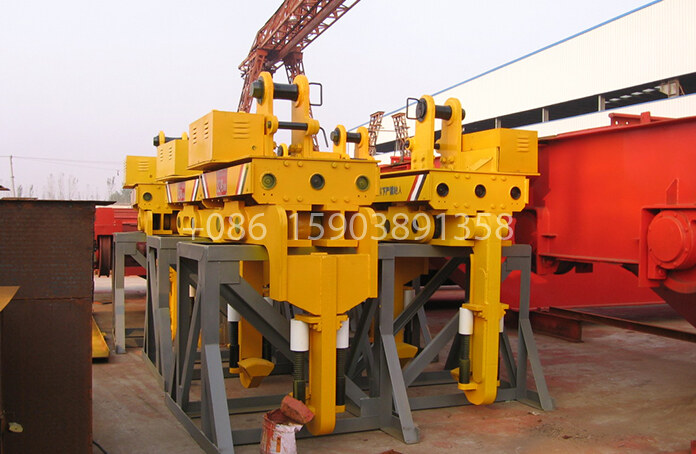
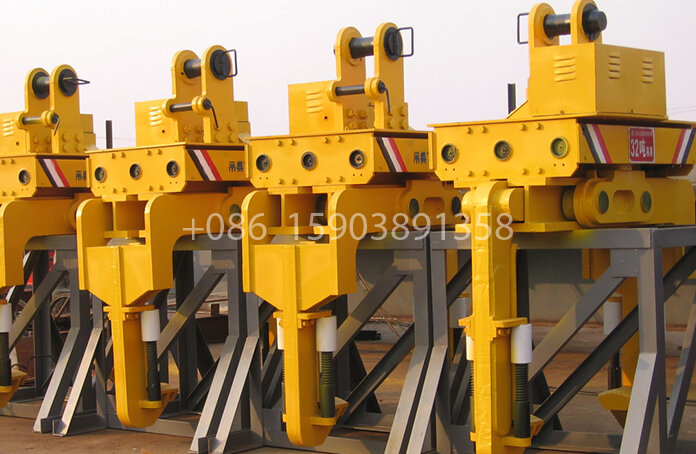
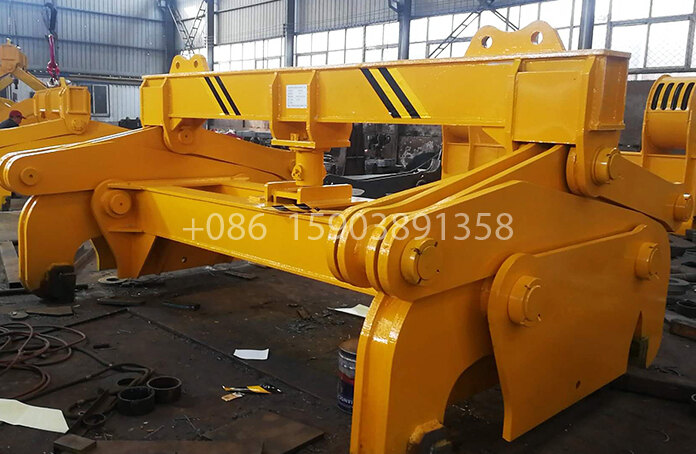
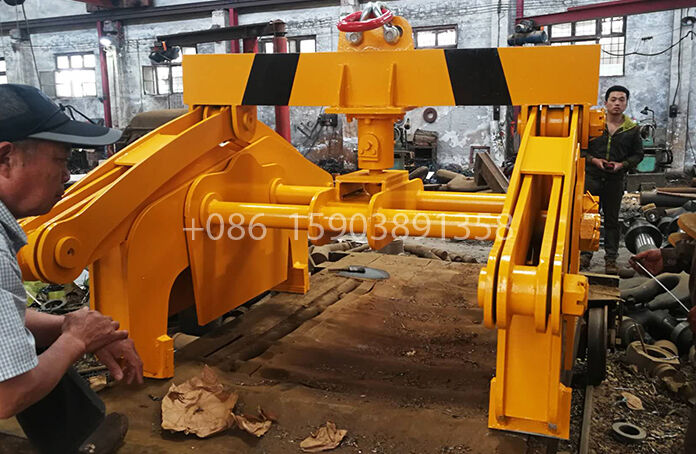
Clamping Lifting Devices
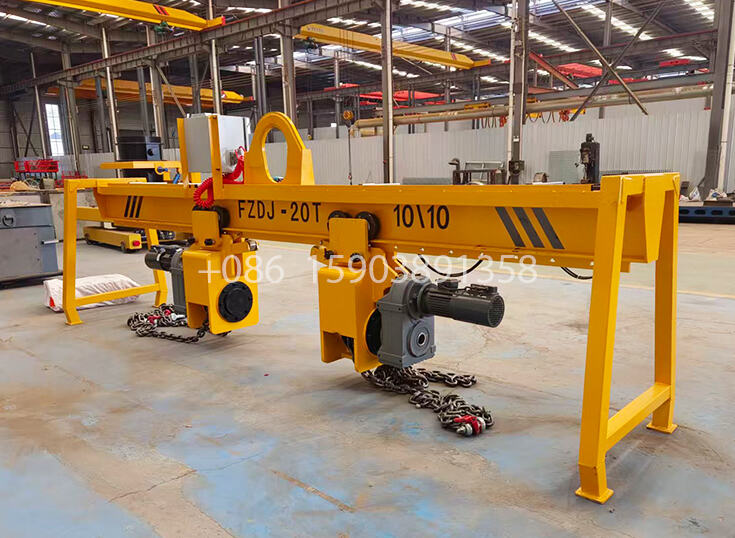
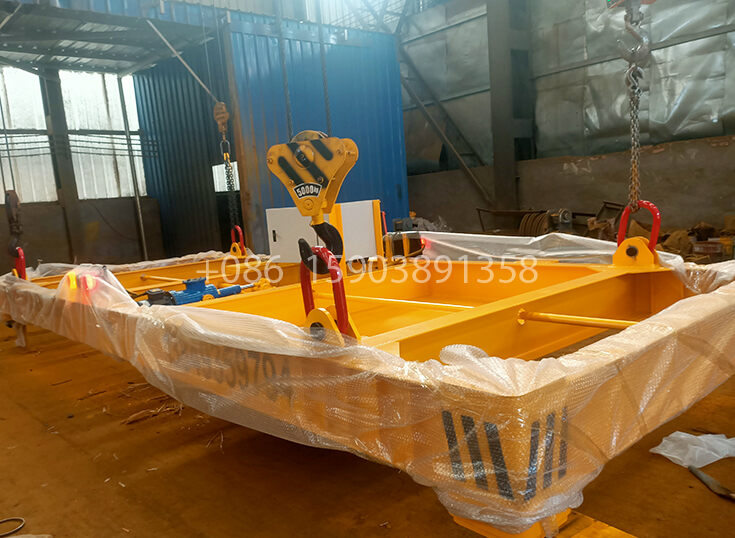
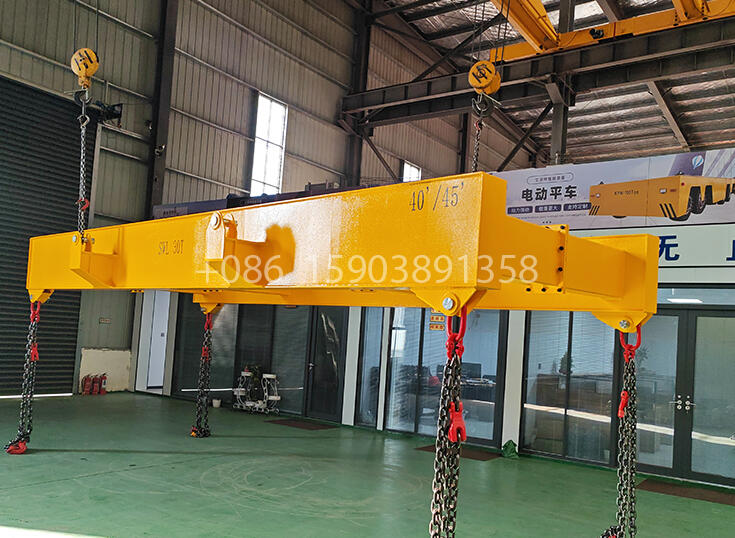
A clamping lifting gear is a specialized lifting and hoisting tool that relies on mechanical mechanisms to clamp and lift workpieces. Its working principle varies depending on the application scenario and type. Common types include quick-release clamps, vertical coiled steel lifting gears, stone lifting clamps, and cam-type clamping mechanisms. Various clamping lifting gears are designed with different mechanical principles to adapt to the lifting needs of different workpieces such as coiled steel and stone, featuring convenience, efficiency, and strong adaptability, and are widely used in various workpiece transfer scenarios.
Product Description
A clamping lifting gear is a specialized lifting device used for workpiece clamping and hoisting. Its core relies on various mechanical mechanisms to achieve clamping and positioning. Based on its working principle, types, and uses, the specific details are as follows:
Core Positioning
A specialized lifting and hoisting tool. Its core function is to clamp different types of workpieces through various mechanical mechanisms to achieve stable lifting and transfer of workpieces, adapting to various workpiece types and lifting scenarios.
Core Principle
The working principle varies depending on the application scenario and clamp type, but all are based on mechanical transmission and clamping principles to ensure secure workpiece clamping and safe lifting.
Type Classification
There are four common types: quick-release clamps, vertical coiled steel lifting devices, stone lifting clamps, and cam-type clamp mechanisms. Each type of clamp is suitable for different workpieces and scenarios.
Quick-release Clamp
Designed based on the mechanical principle of the double rocker mechanism in a planar four-bar linkage, it utilizes the dead-point clamping principle to achieve rapid clamping and positioning of the workpiece, offering convenient operation and high efficiency.
Vertical Coiled Steel Lifting Device
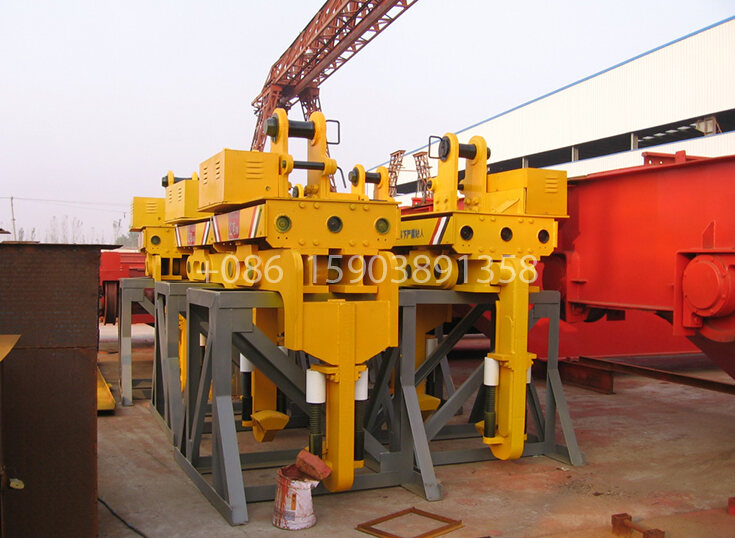
Designed based on the mechanical shearing principle, it is mainly used for single-sided gripping of vertically placed coiled steel to complete loading and unloading operations. By changing the lifting point, the coiled steel can be switched between vertical and horizontal positions.
Stone Lifting Clamp
Utilizes a lever transmission mechanism to clamp workpieces. Equipped with an adjustment device, it can adapt to workpieces of different diameters, effectively solving the problem of limited clamping range caused by friction angle limitations.
Cam-Type Clamping Mechanism
Borrowing from the principles and design of cam-driven robotic arms, the rotation of the cam controls the opening, closing, and overall movement of the clamp, achieving workpiece clamping and lifting.
Applicable Scenarios
Adaptable to the lifting needs of different types of workpieces such as coiled steel and stone, widely used in workpiece transfer operations in machinery manufacturing, stone processing, steel transfer, and other related industries.
Product Feature
Diverse Principles, Strong Adaptability
Different types of clamping clamps are designed with different mechanical principles, adaptable to different workpieces and lifting scenarios such as quick clamping, coiled steel, and stone, offering a wide range of applications.
Secure Clamping, Safe Lifting
All are designed based on mechanical clamping principles. Whether it's dead-point clamping, lever transmission, or cam control, it ensures secure workpiece clamping, preventing detachment during lifting and guaranteeing operational safety. 3. Quick-Clamping Features: Based on a double-rocker mechanism and dead-point clamping principle, it is easy and efficient to operate, enabling rapid clamping and positioning of workpieces, saving operation time.
Vertical Coiled Steel Lifting Fixture Features
Utilizing the principle of mechanical shear force, it is specifically adapted for single-sided gripping of vertical coiled steel, allowing for vertical and horizontal conversion of coiled steel, and adapting to the special needs of coiled steel transportation.
Stone Lifting Fixture Features
Clamping via lever transmission, equipped with an adjustment device, it can adapt to workpieces of different diameters, effectively solving the problem of small clamping range caused by friction angle limitations, and has strong versatility.
Cam-Type Clamping Mechanism Features
Inspired by cam-based robotic arm design, the cam controls the opening, closing, and movement of the clamp, resulting in precise and stable movements, suitable for scenarios requiring high clamping accuracy.
Convenient Operation
All types of clamping lifting fixtures have optimized operation processes, eliminating the need for complex manual assistance, reducing operational difficulty, and improving lifting efficiency.
Wheel Assembly Materials
Main Materials
1. Main Structure (Clamping Frame, Clamping Arms): The core is made of high-quality carbon structural steel (mostly Q235B or Q355B), welded and aged, possessing high strength and rigidity, capable of stably bearing the weight of the workpiece and resisting impact and clamping forces during lifting.
2. Clamping Components (Jaws, Clamping Surfaces): Made of high-strength alloy steel, subjected to heat treatment processes such as quenching and tempering, resulting in high hardness, strong wear resistance, and good impact resistance, ensuring that the workpiece is not easily deformed or slipped when clamped, improving clamping stability; some clamping jaws can be fitted with wear-resistant pads to enhance friction.
3. Transmission and Control Components: Levers, cams, rockers, and other transmission components are made of high-quality alloy steel, precision machined, ensuring smooth transmission and long service life; the screws and nuts of the adjusting device are made of high-strength carbon steel or stainless steel, rust-proof and corrosion-resistant, and flexible in adjustment. 4. Auxiliary Components: Connectors and fasteners are made of high-strength carbon steel or stainless steel, ensuring a secure connection and adaptability to various working environments; springs and elastic components are made of high-strength spring steel, possessing excellent elasticity and fatigue strength to ensure smooth clamping and resetting.
5. Protective Components: The clamp surface is treated with paint or galvanizing for corrosion resistance, enhancing corrosion and wear resistance and extending service life; wear-resistant bushings or coatings can be added to easily worn clamping surfaces and transmission parts to further enhance wear resistance.