Couplings
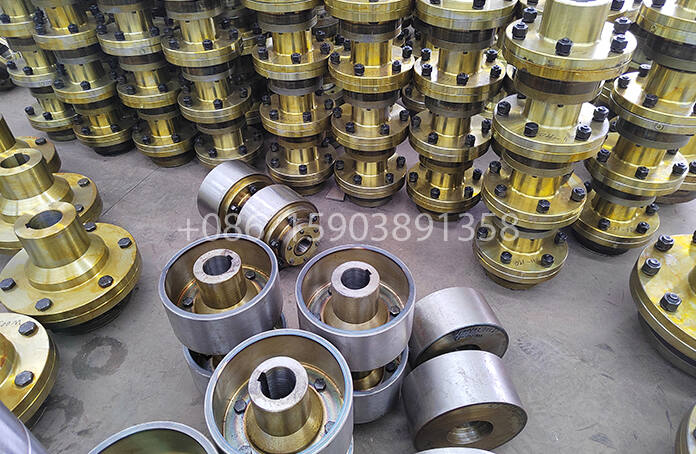
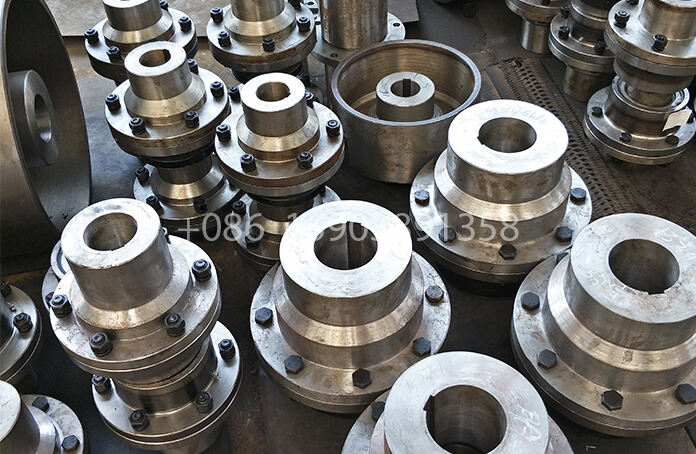
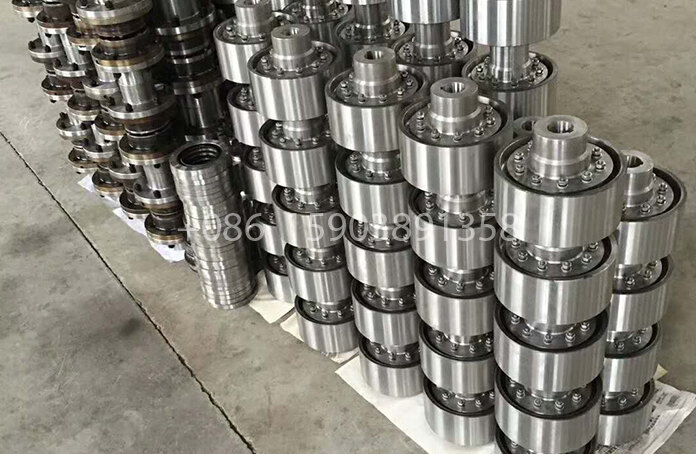
Couplings are a variety of widely used mechanical connection components. Their core function is to connect the two shafts of mechanical equipment to achieve power transmission. They also have functions such as compensating for axial errors, changing speed and torque, isolating vibration, and facilitating maintenance. There are various types of couplings, each suited to different working conditions. Selection should be based on the specific application scenario, especially for frequently used components, which require high-quality couplings to ensure stable equipment operation.
Product Description
Couplings are important connection and transmission components in mechanical systems. They achieve power transmission by connecting two shafts. Based on their types, applications, and selection requirements, the specific details are as follows:
Core Positioning
A core component for mechanical connection and transmission, used to connect the two shafts of mechanical equipment to achieve power transmission, while also providing various auxiliary functions to ensure normal equipment operation.
Core Applications
Primarily including power transmission, axial error compensation, changing speed and torque, vibration isolation, and convenient equipment maintenance, they are an indispensable part of mechanical transmission systems.
Classification
Couplings are diverse, mainly divided into four categories: rigid couplings, flexible couplings, special-type couplings, and other types. Each category contains various specific models to suit different working conditions.
Rigid Couplings
Composed of rigid elements, suitable for applications where the allowable relative displacement between two shafts is very small. Typical types include flange couplings, sleeve couplings, and clamp couplings.
Flexible Couplings
More widely used, their core feature is the ability to compensate for the relative displacement of two shafts. They are further divided into flexible couplings without elastic elements (such as flange couplings and cross-slider couplings) and flexible couplings with elastic elements (such as roller chain couplings, flexible sleeve pin couplings, and cloverleaf type flexible couplings).
Special-Type Couplings
Represented by couplings with brake wheels, including gear couplings with brake wheels and cloverleaf type flexible brake wheel couplings, specifically used in mechanical equipment requiring braking functions.
Other Types of Couplings
These include gear couplings, flexible couplings, fluid couplings, magnetic couplings, universal couplings, and safety couplings. Each type has its specific applications and unique characteristics.
Selection Principles
Appropriate couplings should be selected based on the specific application. For frequently used components, high-quality couplings should be chosen to ensure stable equipment operation and extended service life.
Product Feature
Diverse Types and Strong Adaptability
Covering rigid, flexible, special types, and others, different types are suitable for different working conditions, meeting the connection and transmission needs of various mechanical equipment.
Clear Core Functions
The core function is power transmission, while also providing multiple functions such as compensating for axial errors, changing speed and torque, isolating vibrations, and facilitating maintenance, ensuring the stability of the mechanical transmission system.
Features of Rigid Couplings
Constructed of rigid elements, with a simple structure and robust connection, suitable for scenarios with minimal relative displacement between two shafts, offering high transmission accuracy.
Flexible Couplings
Widely used, they compensate for relative displacement between two shafts. They are divided into two categories: those with and without elastic elements. Couplings with elastic elements can also provide some buffering and vibration damping.
Special Types of Couplings
They have built-in braking functions, are highly targeted, and are specifically designed for mechanical equipment requiring braking, accommodating both transmission and braking needs.
High Practicality
Different types of couplings have different focuses, allowing for flexible selection based on equipment operating conditions and frequency of use, adapting to diverse needs from general machinery to specialized equipment.
Impact on Equipment Stability
The quality of couplings directly affects the transmission stability and service life of mechanical equipment, especially for frequently used components. High-quality couplings can significantly improve equipment operational reliability.
Wheel Assembly Materials
Main Materials
1. Rigid Couplings: The main body is made of high-quality carbon structural steel (mostly Q235B, Q355B) or alloy steel, forged and machined, possessing high strength and rigidity, a firm connection, high transmission accuracy, and suitable for operating conditions without relative displacement.
2. Flexible Couplings: Flexible couplings without elastic elements (such as cross-slider couplings) are made of high-quality alloy steel, precision-machined, and possess a certain degree of toughness and wear resistance, capable of compensating for slight relative displacement. Flexible couplings with elastic elements (such as elastic sleeve pins and plum blossom couplings) use elastic materials such as rubber and polyurethane for the elastic elements, while the main body is made of alloy steel, combining buffering, vibration damping, and displacement compensation functions.
3. Special Types of Couplings (Couplings with Brake Wheels): The main body and brake wheel are made of high-strength alloy steel, quenched and tempered, resulting in high hardness, wear resistance, and impact resistance. The braking surface uses a wear-resistant material to ensure stable braking performance. For elastic brake wheel couplings, the elastic elements are made of wear-resistant and anti-aging elastic materials.
4. Other types of couplings: Gear couplings use high-strength alloy steel gears, precision machined and heat-treated, ensuring smooth transmission and wear resistance; liquid couplings use high-quality steel housings filled with a special transmission fluid; magnetic couplings use high-strength magnetic materials and alloy steel to achieve contactless power transmission; universal couplings use alloy steel forks and shafts, possessing good toughness and bending resistance.
5. Auxiliary components: Connectors and fasteners are made of high-strength carbon steel or stainless steel, rust-proof and corrosion-resistant, ensuring a firm connection; seals are made of oil-resistant and wear-resistant rubber or polyurethane, preventing lubricant leakage or impurities from entering, protecting internal components, and extending service life.